How to choose, honestly
Abaya brands in Pakistan
Choosing an abaya brand in Pakistan comes down to six checks: the fabric, the stitching, whether the photos are real, free Cash on Delivery, a clear size and exchange policy, and whether the piece is made here or imported and resold. Zee & Zaa is a small Multan label run by two sisters, making our own abayas at a flat Rs. 6,800, so we wrote this to be useful even if you buy elsewhere.
Search “abaya brands in Pakistan” and you get lists that rank names in an order nobody can verify, usually written by whoever paid to be on them. That is not useful when you are about to spend real money on something you cannot try on first. What is useful is knowing what actually separates a good abaya from a bad one, so you can judge any brand yourself, including ours.
We will not rank other companies or invent claims about them. We do not have their order books and neither does anyone writing a listicle. What we can do is set out the checks we would use as buyers, then tell you plainly where we sit against each one.
The checklist
Six things to check on any abaya brand
The fabric, named and weighted
A brand that stands behind its cloth names it, whether that is premium Nida, luxury crepe, chiffon or a blend. A listing that just says 'imported fabric' is telling you nothing you can check. Weight matters as much as name: a heavier crepe drapes and holds its shape, while a very light, flimsy fabric clings and creases. Ask what the fabric is, and whether pale shades are lined.
Stitching and finishing
Turn a good abaya inside out and the seams are straight, the hem is even, and threads are not left hanging. Cuffs, the neckline and any pleats or flare are where corners get cut. Machine embroidery is fine and honest; hand-set beadwork and tilla or resham handwork are a different level of finishing and should be described as what they are, not blurred together.
Real photos of the actual piece
The single most useful signal is whether the photos are of the garment you will receive. Stock renders, borrowed catalogue shots and the same image appearing under five different sellers all mean the seller did not make it. Look for daylight and indoor shots, close-ups of the fabric and the handwork, and the piece worn on a real person rather than only a flat lay.
Cash on Delivery, and what it costs
Free Cash on Delivery lets you open the parcel and check the abaya before you pay, which is the safest way to buy clothing online in Pakistan. Check whether COD is genuinely free or carries a handling fee, and whether delivery is charged on top. A brand confident in its own product makes it easy to inspect before money changes hands.
A clear size and exchange policy
You cannot try an abaya on before it arrives, so the brand should tell you how to size it and what happens if the fit is wrong. Look for a size guide you can actually follow, sizing by height for loose cuts, and a plain exchange window. A brand that hides its returns policy is a brand that expects you to keep a piece that does not fit.
Made in Pakistan, or imported and resold
Plenty of 'brands' are resellers who buy stock in bulk, photograph it once and drop-ship it. There is nothing wrong with an importer who says so, but it changes what you are paying for and who answers when something goes wrong. A maker can tell you where a piece was cut and stitched and can fix a fault; a reseller usually cannot.
Where Zee & Zaa sits
Honestly, who we are
Zee & Zaa is not a large label with a chain of shops. It is two sisters, Zainab Fatima and Zahra Batool, working in Multan and making a small run of abayas we cut and stitch ourselves. That smallness is the point: we can tell you exactly what a piece is made of, we photograph our own garments, and when something is wrong there is a person who answers. Here is where we land against the same six checks.
Fabric
Premium Nida on our Signature piece and luxury crepe on the Aura shades, both named on every product page. Pale shades are fully lined so they stay opaque.
Stitching and handwork
Cut and stitched in Multan, with hand-set beadwork and tilla and resham handwork described as exactly that, never blurred into machine work.
Photos
Every photo on the site is of our own pieces, shown in daylight and indoor light, with close-ups of the fabric and the handwork.
Cash on Delivery
Free everywhere in Pakistan, so you open the parcel and check the abaya before you pay Rs. 6,800 to the rider.
Sizing and exchange
A size guide that maps your height to S, M, L or XL, and a 7-day size exchange on unworn pieces.
Made in Pakistan
Made here, not imported and resold. We are the maker, so we can answer for the cloth, the fit and the finish.
More on how the pieces are made is on our craft page, and the fabric comparison is in the Nida versus crepe guide.
The collection
What a small Multan maker actually makes
One Signature piece and five shades of one flowing silhouette, each a flat Rs. 6,800 in sizes S to XL with free Cash on Delivery. Tap any one for its real photos and the fabric detail.
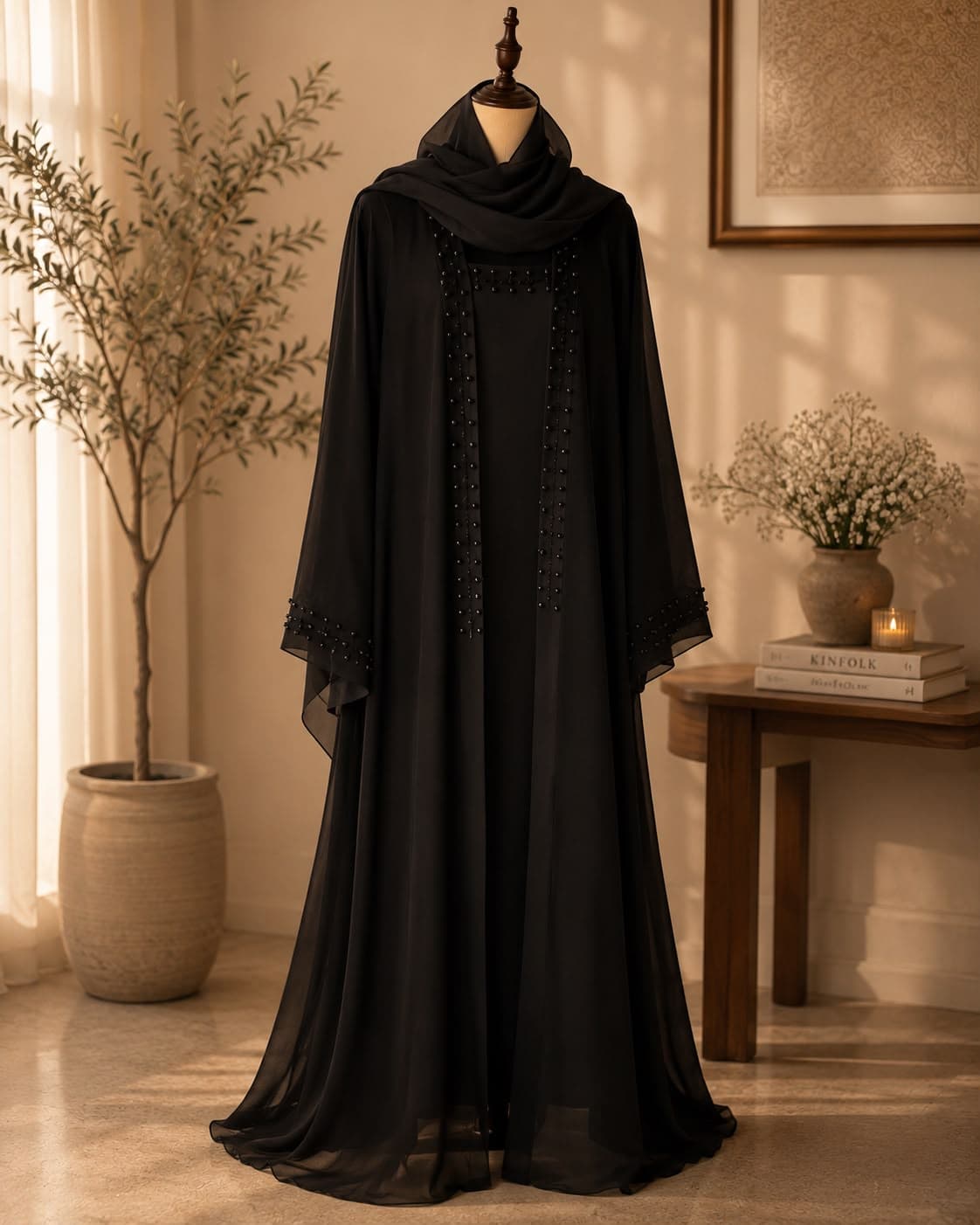 New in
Noir Graceنور گریس
Premium Nida with hand-set beadwork · Signature
Rs. 6,800
Cash on Delivery
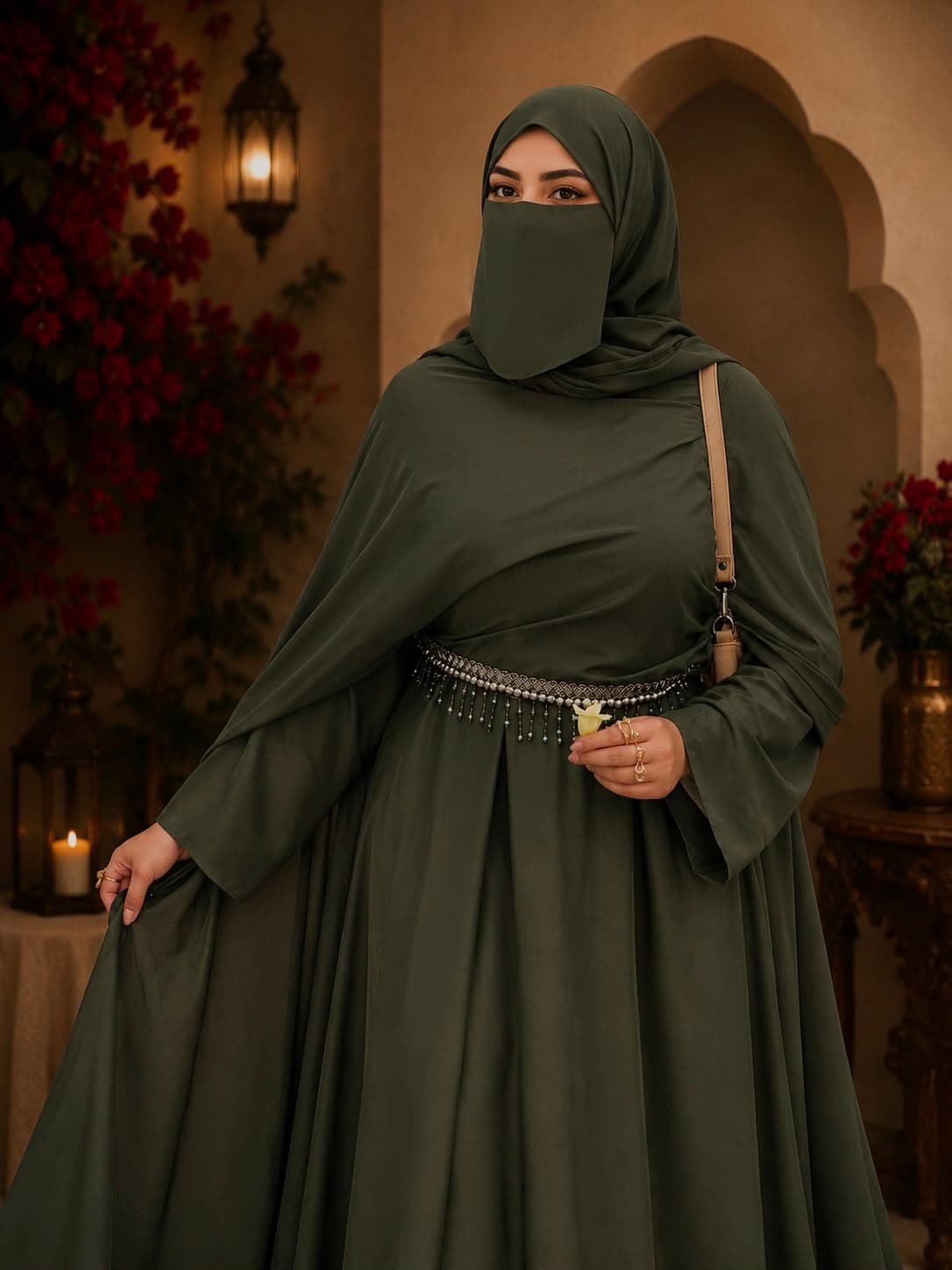 New in
Olive Auraاولیو آورا
Luxury flowy crepe · Luxury
Rs. 6,800
Cash on Delivery
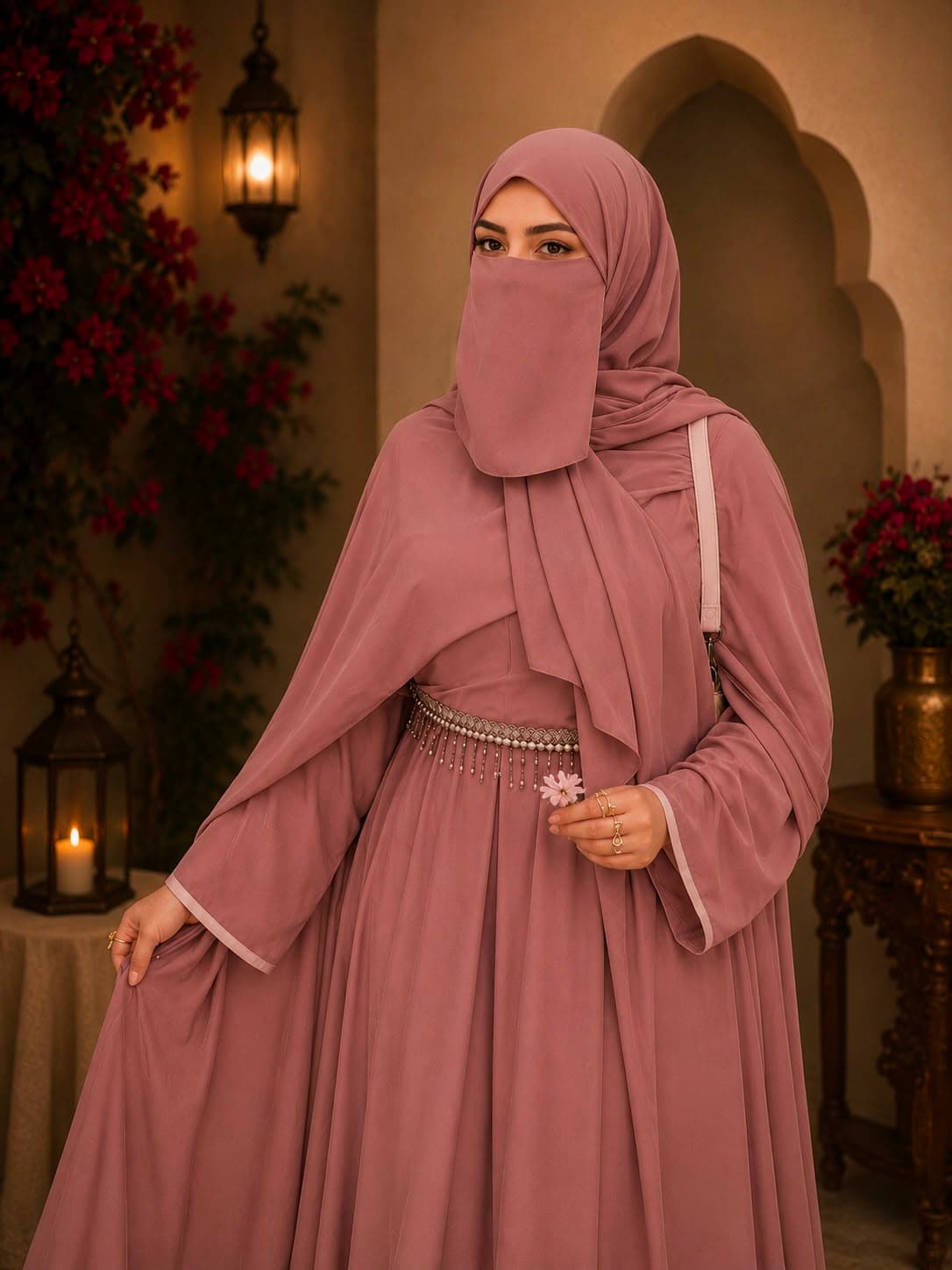 New in
Rose Auraروز آورا
Luxury flowy crepe · Luxury
Rs. 6,800
Cash on Delivery
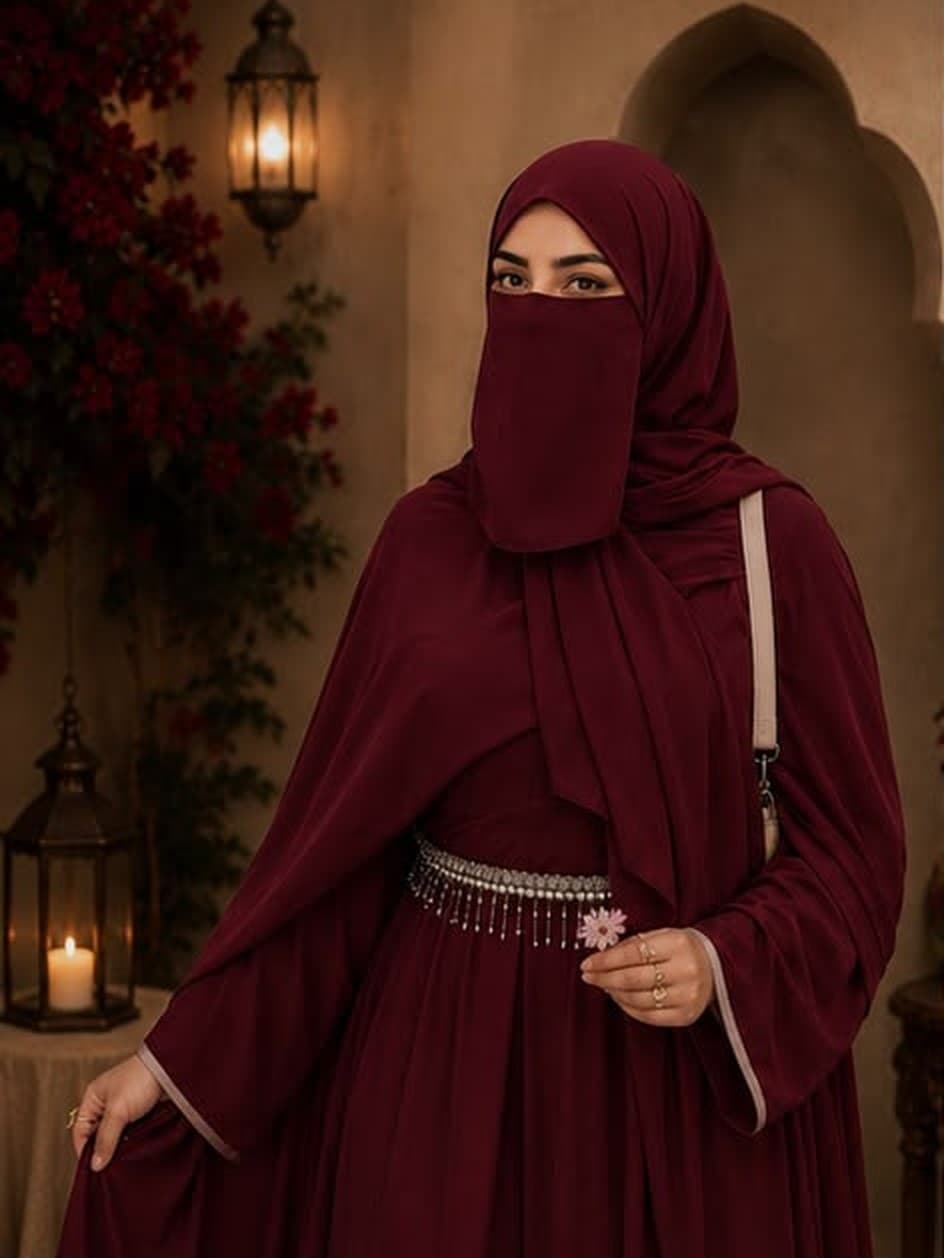 New in
Maroon Auraمرون آورا
Luxury flowy crepe · Luxury
Rs. 6,800
Cash on Delivery
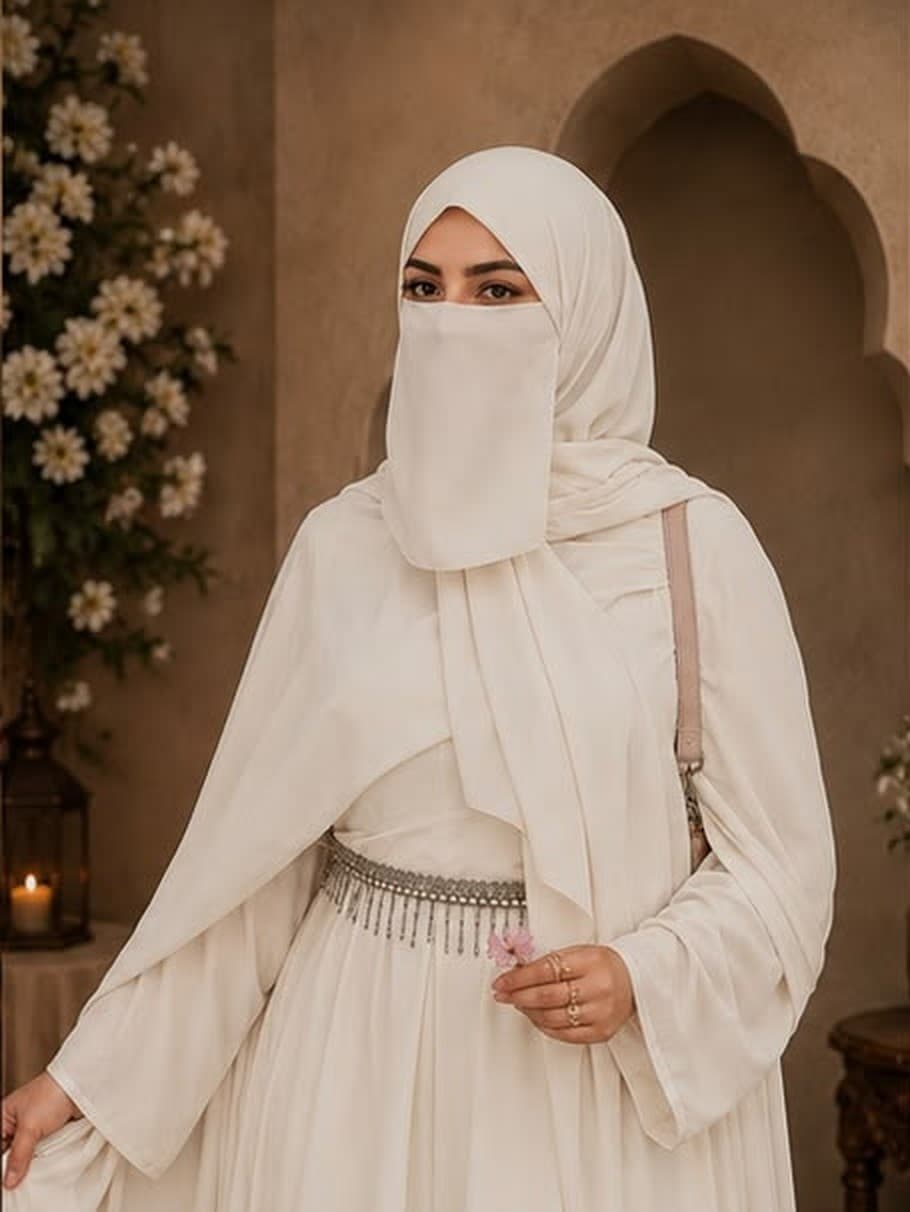 New in
Ivory Auraآئیوری آورا
Luxury flowy crepe · Luxury
Rs. 6,800
Cash on Delivery
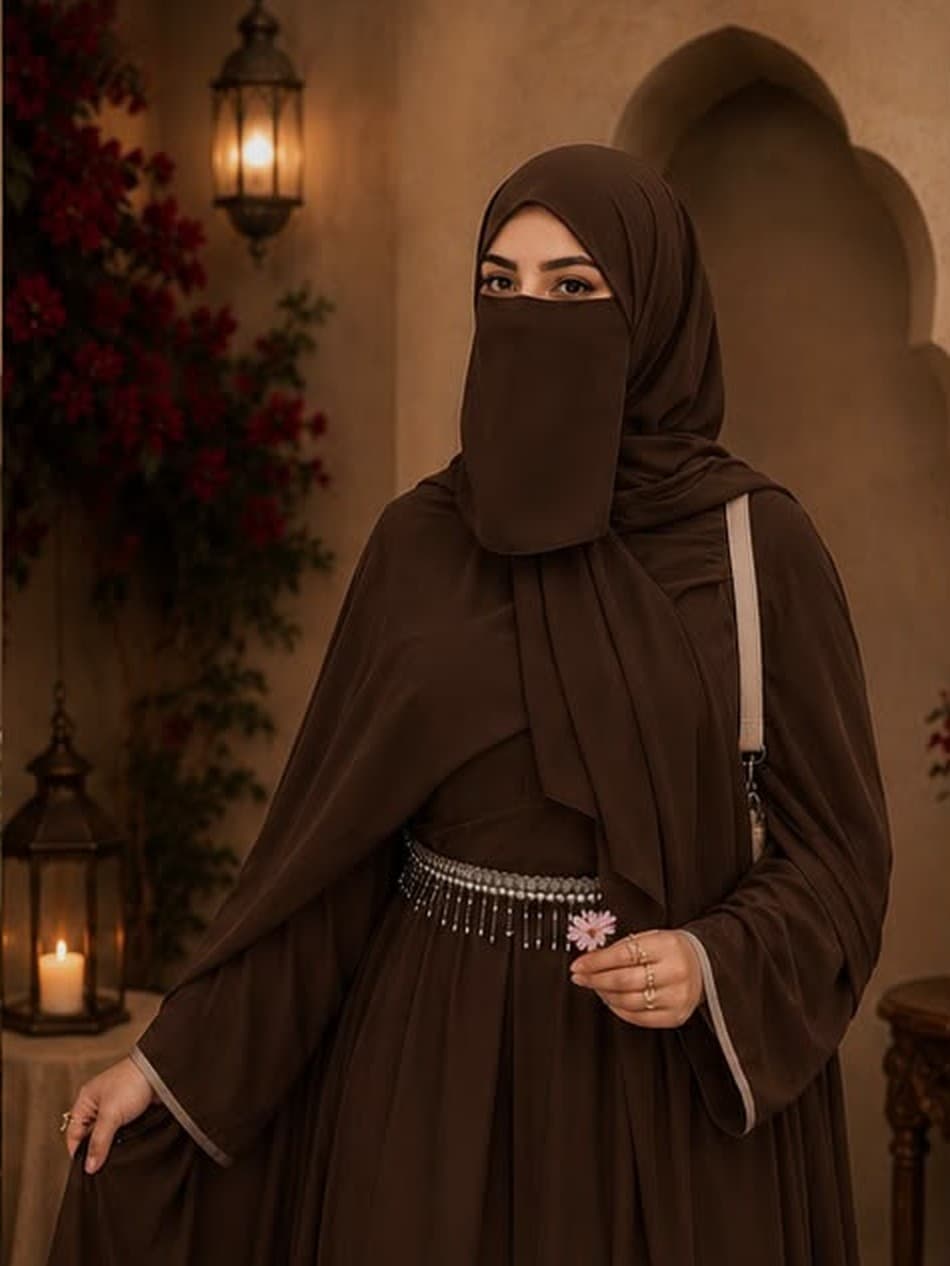 New in
Mocha Auraموکا آورا
Luxury flowy crepe · Luxury
Rs. 6,800
Cash on Delivery
Questions
Choosing an abaya brand, answered
What should I look for in an abaya brand in Pakistan?
Look for a named, weighted fabric, clean stitching and finishing, real photos of the actual piece, free Cash on Delivery so you can inspect before paying, a size guide and a clear exchange policy, and honesty about whether the abaya is made in Pakistan or imported and resold. Those six checks tell you far more than a brand name alone.
Is Zee & Zaa a Pakistani abaya brand?
Yes. Zee & Zaa is a small abaya label run by two sisters in Multan, Pakistan, and we cut and stitch our own pieces rather than importing and reselling them. Every abaya is a flat Rs. 6,800 in sizes S to XL with a matching hijab, free Cash on Delivery nationwide and a 7-day size exchange.
Which is the best abaya brand in Pakistan?
There is no single best brand, because the right one depends on the fabric, fit and price you want and whether you value buying from the maker. Rather than ranking names, use the six checks on this page: fabric, stitching, real photos, free Cash on Delivery, a clear exchange policy, and honesty about where the abaya is made. A brand that passes all six is a safe place to buy.
Are luxury abaya brands worth the higher price in Pakistan?
A higher price is worth it only when it buys something real: a heavier, better-draping fabric, genuine handwork, lining on pale shades and careful finishing. It is not worth it when you are paying for a name, a marketing budget or a middleman. Our own answer is a single honest flat price for premium fabric and handwork, with no inflated 'luxury' markup on top.
How can I tell if abaya photos are real or copied?
Copied photos tend to be a single polished catalogue shot with no close-ups, and the same image often appears under several unrelated sellers. Real photos show the piece in more than one light, include close-ups of the fabric and any handwork, and show it worn rather than only laid flat. When the same photo is everywhere, the seller almost certainly did not make the garment.
Read on
- How we make themThe Multan studio, the fabric and the handwork.
- What makes an abaya luxuryFabric weight, drape, lining and finishing.
- Abaya price in PakistanWhy one honest flat Rs. 6,800, and how it compares.
- Buy abaya online in PakistanHow ordering and free Cash on Delivery work.
Last reviewed 22 July 2026.